Understanding the psychology of gambling What motivates players in casinos
The Allure of Risk and Reward
The fundamental appeal of gambling lies in the thrilling combination of risk and reward. Players are often drawn to the chance of winning substantial sums of money, which can create a rush of excitement. This intoxicating feeling can cloud judgment, leading to impulsive decisions. The unpredictable nature of gambling—whether it’s the roll of a dice or the spin of a slot machine—adds to the allure, as players can imagine their lives changing with a single lucky turn. An exciting option to consider is the ice fishing game, which offers a unique twist on traditional gambling.

Moreover, the psychology of risk-taking is deeply rooted in human behavior. Many individuals thrive on adrenaline, and gambling provides a safe environment to experience this rush. The potential for a big win becomes an enticing goal, prompting players to return in search of that elusive victory. This cycle of hope and expectation fuels a strong emotional connection to gambling activities.
The Role of Social Interaction
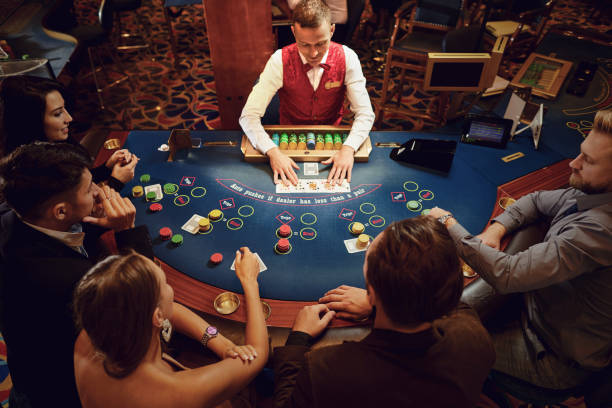
Casinos create an environment that encourages socialization. Many players enjoy the camaraderie of sharing experiences, whether it’s cheering for a fellow player or discussing strategies at the poker table. This sense of belonging can enhance the overall experience, making gambling not just about money, but also about friendship and community.
In addition, social interaction often leads to a phenomenon known as “social reinforcement.” When players witness others winning, it can motivate them to continue playing in hopes of achieving similar success. Casinos capitalize on this by fostering a vibrant, social atmosphere that keeps players engaged and invested in the experience.
The Impact of Winning and Losing Streaks
Winning and losing streaks significantly influence gambling behavior. Players often experience heightened emotions during these phases. A winning streak can boost confidence, leading to bolder bets and increased risk-taking. Conversely, losing streaks can create frustration, which may lead players to chase losses in an attempt to regain their former luck. This cycle can be detrimental, trapping players in a loop of emotional highs and lows.
Additionally, the concept of loss aversion plays a crucial role. Research shows that the pain of losing is often more intense than the pleasure derived from winning. This can result in players becoming more risk-averse after a loss, further complicating their relationship with gambling. Understanding these dynamics is essential for both players and operators aiming to promote responsible gambling.
Cognitive Biases and Gambling Behavior
Cognitive biases significantly influence players’ perceptions and decisions in gambling. One common bias is the “gambler’s fallacy,” where individuals believe that past outcomes will affect future results. For instance, a player might think that a slot machine is “due” for a payout after a series of losses, leading them to gamble more. This misjudgment of probability can lead to irrational betting behavior.
Furthermore, confirmation bias can play a role. Players may focus on instances where they or others have won, reinforcing their belief that they too can achieve the same results. This selective attention to positive outcomes can obscure the risks associated with gambling, creating an illusion of control that keeps players engaged, even when they are on a losing streak.
Exploring the Ice Fishing Game Experience
The ice fishing game exemplifies how online casinos utilize engaging themes and features to attract players. By incorporating interactive elements, such as live dealers and real-time betting, it enhances the thrill of the gambling experience. Players can immerse themselves in the game, where they can catch multipliers and enjoy the excitement of bonus rounds, creating a unique and captivating atmosphere.
This game, like many others in the casino industry, leverages psychological principles to keep players entertained. The combination of skill, luck, and social interaction creates an environment that encourages ongoing participation. By understanding these psychological motivations, players can enjoy their gaming experiences while remaining aware of the underlying dynamics at play.
