
The Allure of Casino Environments
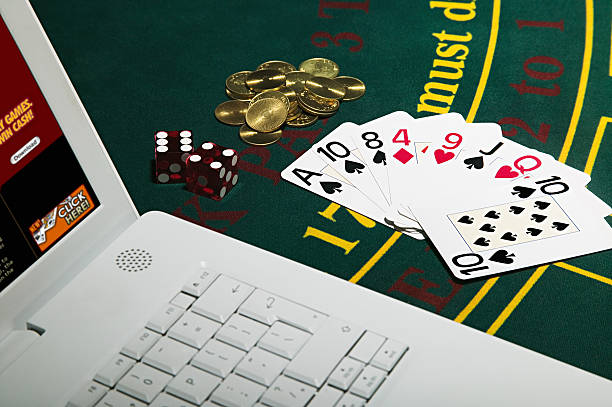
The psychological appeal of casinos often begins with their carefully crafted environments, designed to engage and entice players. Bright lights, vibrant colors, and strategically placed sounds create a sensory feast that captures individuals’ attention. This carefully orchestrated ambiance instills a feeling of excitement and anticipation, which significantly influences gaming behaviors. For those interested in the excitement of gaming, online casinos in canada represent a modern twist on this classic thrill, making it hard for players to resist the call of the slot machines or table games.
Moreover, the layout of a casino promotes prolonged stays. The lack of clocks and windows contributes to a sense of timelessness, allowing players to lose track of time. This phenomenon can lead to increased gaming sessions, as players become engrossed in the moment, ultimately influencing their decisions and spending patterns. Understanding these environmental cues is essential for recognizing how they can manipulate gaming behaviors.
The Role of Cognitive Biases in Gambling
Cognitive biases significantly shape the decision-making processes of casino patrons. One prevalent bias is the illusion of control, where players believe they can influence the outcome of games that are purely based on chance. This belief can lead to gamblers overestimating their abilities and making riskier bets, which in turn, fosters continued engagement with the games. Understanding this bias helps explain why individuals may persist in gambling despite adverse outcomes.
Another common cognitive bias in gambling is the gambler’s fallacy, the mistaken belief that past events influence future results. For instance, if a player observes a series of losses on a slot machine, they might assume that a win is “due” soon. This misconception can lead to further gambling, as the player seeks to recover losses or chase that elusive win. Both cognitive biases highlight the complexity of gambling behavior and the psychological mechanisms that drive players back to the tables.
The Sociocultural Influences on Gambling Behavior
Gambling behaviors are not only shaped by individual psychology but also by sociocultural factors. Social acceptance of gambling within certain communities can embolden individuals to partake in gaming activities. Where gambling is seen as a social norm, individuals are more likely to engage in casino gaming as a form of entertainment. Additionally, peer pressure can play a critical role, with individuals feeling compelled to gamble to fit in or to enhance social interactions.
Cultural attitudes towards gambling also impact how games are perceived. In some cultures, gambling is viewed as a form of recreation, while in others, it may be associated with vice or irresponsibility. These varying perceptions can influence how much individuals gamble and the motivations behind their gaming behaviors. Understanding the sociocultural context is essential for recognizing the diverse factors that drive casino participation.
The Emotional Drivers Behind Gambling
Emotions play a significant role in influencing gambling behavior. For many individuals, gambling serves as an escape from stress or emotional pain. The thrill of the game can provide a temporary distraction, making players more likely to engage in gaming as a coping mechanism. This emotional connection can lead to compulsive gambling behaviors, where the individual continues to seek that fleeting high despite negative consequences.
Additionally, positive emotions elicited during gambling, such as joy and excitement, can reinforce gaming habits. The euphoria of winning, even if infrequent, can create a strong desire to continue playing. This emotional rollercoaster effectively hooks players, driving them to return to the casino in hopes of replicating those exhilarating feelings. A deeper understanding of these emotional drivers can illuminate why many individuals find it hard to walk away from gaming activities.
Understanding Responsible Gambling Practices
The exploration of casino gaming behavior must also encompass the dialogue around responsible gambling. Awareness of the psychological and emotional factors that drive gaming can help individuals recognize when their habits become problematic. Educational campaigns and resources aimed at promoting responsible gambling practices are essential in creating a safer gaming environment. Players need to understand their limits and the importance of gambling as a form of entertainment rather than a financial solution.
As online resources continue to evolve, providing secure access to information on responsible gaming becomes crucial. Users can benefit from platforms that offer guidance and tools for maintaining a healthy relationship with gambling. Understanding the psychological underpinnings of casino gaming behaviors can empower players to make informed decisions and develop strategies to enjoy gaming responsibly.
